Perspective 03Brand Strategy7 min read
Building Brands
That Age Well
The strongest brands are designed beyond the moment.
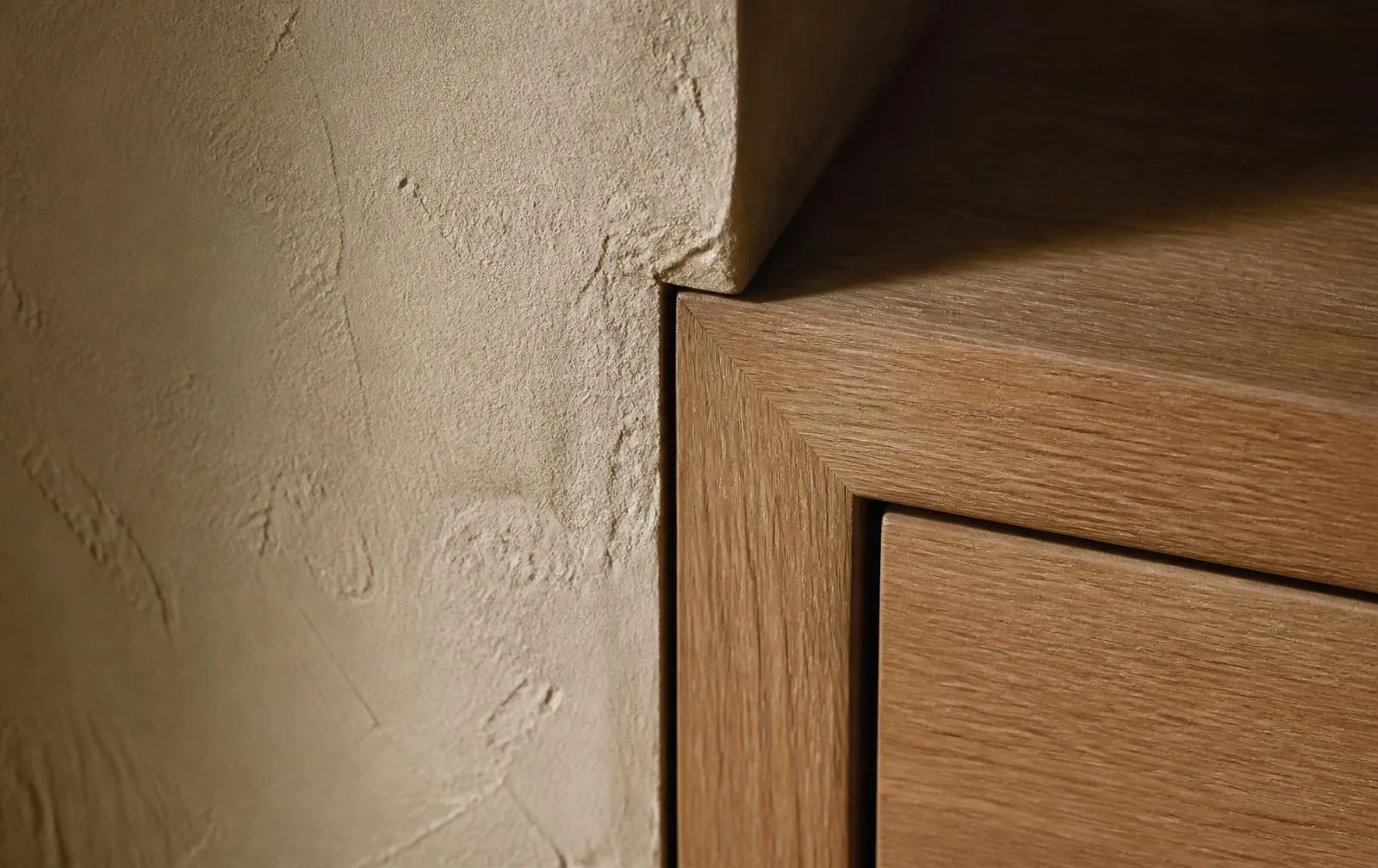
Some brands feel immediately connected to a specific moment.
01
Trends can create momentum, not identity
Their language follows the current tone. Their visuals reflect the latest style. Their content adopts the newest format. Their identity feels relevant because it mirrors what is already happening around it.
That relevance can be powerful.
It can also be temporary.
Brands that age well are built differently.
They do not ignore culture, but they are not completely dependent on it. They understand the moment without allowing the moment to define them. They create enough flexibility to evolve while preserving the qualities that make them recognizable.
The goal is not to appear timeless by avoiding change.
The goal is to build something strong enough to change without losing itself.
Trends are useful.
They reveal shifts in taste, behavior, language, technology, and expectation. They help brands understand what audiences are responding to and how culture is moving.
The problem begins when a trend becomes the foundation rather than an influence.
A brand built entirely around a current aesthetic may feel modern at launch and dated soon after. A voice borrowed from the language of the moment may quickly lose authenticity. A website designed around a temporary interface pattern may require constant reinvention to remain relevant.
Trends are strongest when they are interpreted through an existing point of view.
A durable brand asks: What does this trend reveal? Does it align with who we are? Can we adapt it without becoming dependent on it? What should remain unchanged?
These questions create distance between awareness and imitation.
A brand that understands trends can participate in the present.
A brand that only follows trends is controlled by it.
02
Recognition comes from consistency
People rarely build trust with a brand through a single interaction.
Trust develops through repetition.
The same tone appears across the website, email, social media, service experience, and customer support. The same level of care is visible in the details. The same values guide decisions even as the context changes.
Consistency helps a brand become familiar.
Familiarity helps it become recognizable.
Recognition is not created by repeating the exact same visual forever. It is created by preserving the essential characteristics that make the brand feel like itself.
This might include a particular sense of restraint.
A specific rhythm of language.
A recognizable point of view.
A consistent relationship to quality, service, or design.
When these qualities are clear, the brand has room to evolve. Typography can change. Photography can shift. Platforms can expand. Campaigns can explore new ideas.
The identity remains intact because the deeper logic is stable.
03
Timelessness is not a visual style
Timelessness is often mistaken for minimalism.
Neutral colors, serif typography, clean layouts, and restrained photography can all contribute to a sense of longevity, but none of them guarantee it.
A design can look timeless and still be disconnected from the business behind it.
True longevity begins with alignment.
The visual identity must reflect the character of the brand. The language must feel natural to the people using it. The experience must support the expectations the brand creates.
When these elements are aligned, the identity feels credible.
Credibility lasts longer than style.
A brand that is visually refined but strategically unclear will eventually require reinvention. A brand with a strong foundation can refresh its expression without abandoning its meaning.
Timelessness is not the absence of visual personality.
It is the presence of a clear idea that can survive different forms.
04
Build a system, not a single look
A brand is often introduced through a logo, color palette, typography, and a few polished applications.
Those elements matter.
But they are not the brand system.
A true system explains how the identity behaves across different situations.
How should the brand sound in a formal proposal? How should it appear on a small mobile screen? How should it adapt to a campaign? How should it speak during a problem? What remains consistent when the medium changes?
Without these principles, the brand becomes dependent on individual decisions. Every new page, post, deck, or campaign begins from zero. Over time, inconsistency grows.
A strong brand system creates boundaries without creating rigidity.
It gives teams enough guidance to remain recognizable and enough freedom to respond to new opportunities.
The strongest systems do not control every detail.
They make good decisions easier.
05
Longevity requires editing
Brands accumulate.
They accumulate messages, services, audiences, visual elements, campaigns, partnerships, channels, and exceptions.
Each addition may make sense on its own. Collectively, they can weaken clarity.
A brand that ages well is not preserved by refusing to change.
It is preserved through careful editing.
What still reflects the business? What has become outdated? What was added for a temporary need? What is no longer useful? What is creating confusion?
Editing protects the core by removing what no longer belongs.
This process should not happen only during a major rebrand.
It should be part of regular stewardship.
Small refinements prevent the identity from becoming overloaded. They allow the brand to evolve gradually instead of reaching a point where complete reinvention feels necessary.
Longevity is often the result of consistent maintenance.
06
The brand must be true in practice
A brand cannot age well if its promise and its behavior move in different directions.
A company may present itself as thoughtful, premium, personal, or innovative. Those qualities must be experienced beyond the identity.
Thoughtfulness should appear in communication.
Premium positioning should appear in service quality.
Personal attention should appear in the customer journey.
Innovation should improve the experience rather than exist only in language.
When a brand is true in practice, its identity becomes more resilient.
Customers reinforce it through their own experience.
Teams understand how to represent it.
Decisions become easier because the values are operational, not decorative.
The most durable brands are not held together by design alone.
They are supported by behavior.
This is what gives the identity substance.
07
Build for recognition, not constant novelty
The pressure to appear new can become exhausting.
Every platform rewards activity. Every trend creates an opportunity to refresh. Every competitor introduces another reason to change.
But constant novelty can weaken recognition.
If a brand repeatedly changes its voice, style, message, or positioning, audiences must relearn it each time.
Familiarity never has the opportunity to deepen.
Strong brands understand that repetition is not the enemy of creativity.
Repetition creates memory.
A recognizable phrase, composition, tone, or visual rhythm becomes more valuable each time it is used consistently.
The objective is not to repeat everything forever.
It is to build a recognizable foundation that allows new ideas to feel connected rather than random.
Novelty attracts attention.
Recognition builds equity.
“A lasting brand is not one that never changes. It is one that knows what must remain.”
— The Sevino Journal
Closing Reflection
A lasting brand knows what it stands for.
Brands that age well are not frozen in time.
They respond, adapt, refine, and evolve.
What separates them from brands that fade is not resistance to change. It is clarity about what should remain unchanged.
They understand their point of view.
They protect the qualities that create recognition.
They build systems that can expand without becoming inconsistent.
They align the identity with the experience behind it.
The result is a brand that feels relevant without constantly chasing relevance.
It belongs to the present.
But it is not trapped there.